Productivity2 min read
The next productivity challenge isn't technology. It's people.

Dion Van Zyl · 2 min read
There's a lot of discussion about AI, automation and how technology will change the way we work. And rightly so. The opportunities to improve productivity and efficiency are significant.
But there's something I think we're overlooking. Who's going to develop the people and future leaders needed to run these businesses?
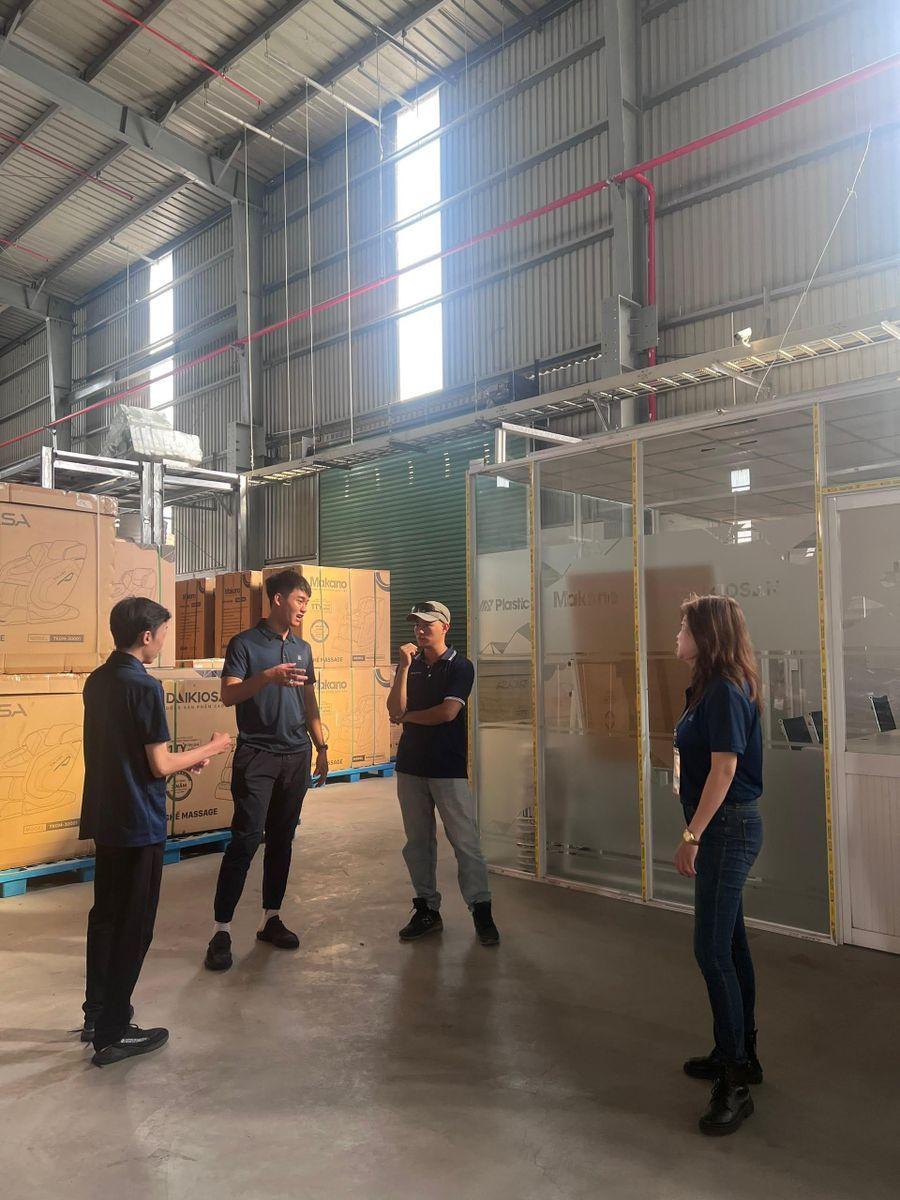
I'm currently seeing firsthand while working with clients across manufacturing and other operational environments. Businesses are looking to improve productivity, introduce better systems and reduce costs. But many are also dealing with challenges around workforce capability, unclear responsibilities, inconsistent supervision and employees who haven't received the training they need.
And here's the interesting part. These challenges existed long before AI came along.
Technology won't fix a capability gap
We often promote our best technical employees into supervisory roles because they're good at what they do.
Being a great operator doesn't automatically make someone a great supervisor.
Managing people, solving problems, communicating expectations and driving performance require a different set of skills. Without the right development, we end up with supervisors who are technically capable but haven't been equipped to lead.
I've seen how this affects productivity, accountability and ultimately business performance.
Why this matters to me
Alongside my consulting work through ABPS Consulting Group, I'm currently establishing a Registered Training Organisation (RTO), the Institute for Business & Leadership Development. One of the reasons behind this initiative is the capability gaps I'm seeing in businesses today.
There's a real opportunity to connect practical workplace training with the challenges businesses are trying to solve. Not training simply to obtain a qualification or tick a compliance box, but developing people who can genuinely contribute to better business performance.
Technology will continue to change how we work, but people will remain central to how well businesses perform. For me, Operational Excellence isn't just about improving processes or introducing new systems. It's about making sure people have the skills, structure and leadership to sustain those improvements.
I'd be interested to hear from other business owners and managers. Are you finding that workforce capability is keeping pace with the technology and operational changes happening in your business?

Dion Van Zyl
Lean Six Sigma Black Belt. 20 years in operations across South Africa, New Zealand and Australia.